Why Circular?

A lot of climate change talk is about fossil fuels, greenhouse gases, and global warming. But, we rarely talk about the economic’s side, the side that can truly help us find a very important way to aid in this crisis.

When companies track their sustainability, they may say that they have no emissions or set that goal. But what they fail to take in account is scope 3 emissions.

What are scope emissions? Let me give you a rundown.

Scope 1 emissions are direct emissions. For example, if you are driving, you are directly emitting. Scope 2 emissions are indirect emissions, specifically electricity. If you were to turn on the lights, that would be Scope 2. Lastly, Scope 3, another indirect emission. Foods, clothing, anything manufactured and distributed is Scope 3.
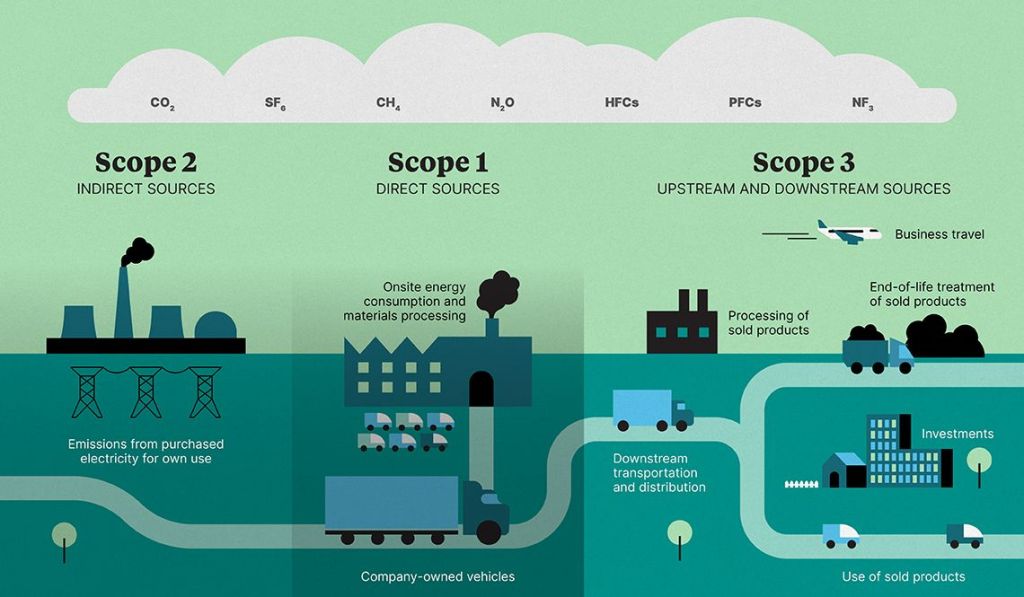
Why is important that companies take in account their Scope 3 emissions? Scope 3 emissions can account for 75% of emissions for big companies, so if we are only measuring 1 and 2, we are really not taking in account the actual emissions being used.

To stay below 1.5*, we need to reduce these emissions 50% by 2030. So how do we do this? The answer is circularity.

In most economic practices today, we have a linear economy. A linear economy is based on the idea that we have infinite resources and regeneration. This is not true. The world is composed of finite resources, which means that the linear economy cannot keep being our production method.
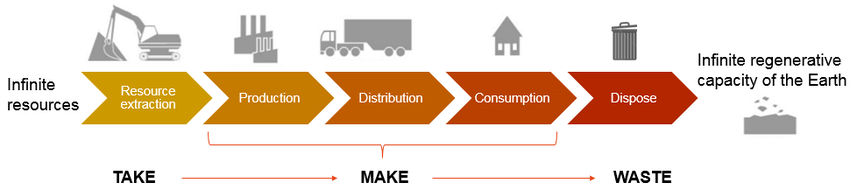
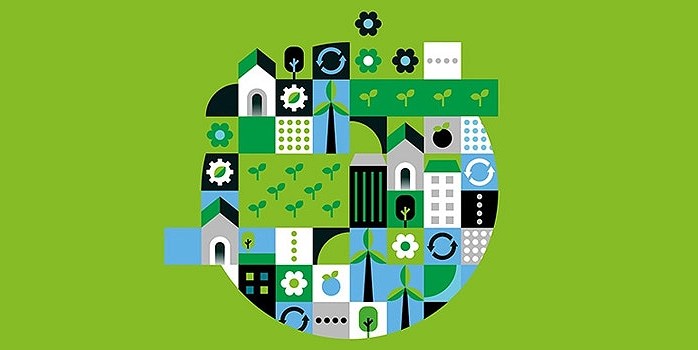
This is why we should begin to use a circular economy. You may be asking yourself what exactly a circular economy is.

In a circular economy, raw materials are designed in a more sustainable way, then produced, distributed, consumed, collected, and then recycled. Then this continues to repeat. Of course there is still some raw materials and waste, but it is much less.
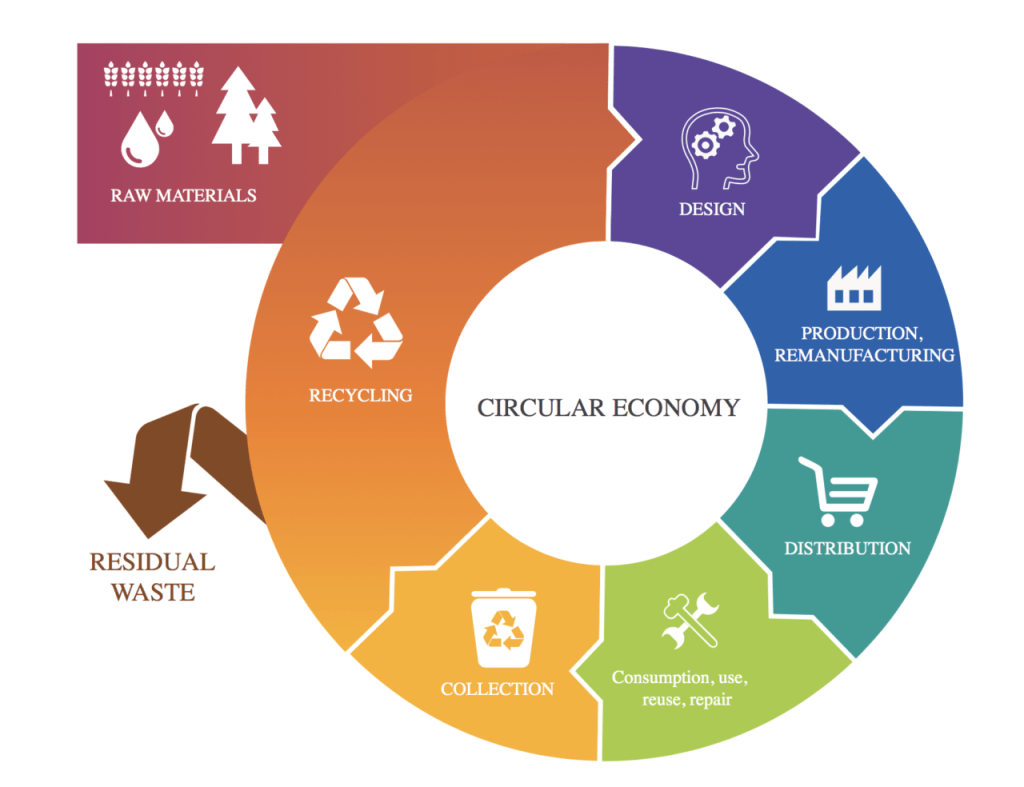
The circular economy is already being used, but not enough. Currently, only 8.6% of the economy is circular.

So what do we do? Here are four words you need to know. Reuse, Re-sell, Repair, Rent.

Lots of companies use these ideas, especially clothing companies, one of the biggest polluters. For example, Poshmark resells, Patagonia repairs, Rent the Runway rents, and Alex Mill reuses. Finding brands to purchase your clothes from that use these ideals are such a more sustainable choice, contributing to this circular economy.

But it’s not just clothing companies. Fairphone, a somewhat new phone company, makes a phone that is easily repairable, having a 10/10 reparability rate. The IPad on the other hand has only a 2/10 repairable rate, and if it breaks, you are probably just going to buy a new one.

Another potential with the circular economy is job potential. There are so many jobs available, like green jobs, repair jobs, and many local opportunities. The future is circular, and it is time to act now.

For more information, check out these websites below.
Greenhouse Gases

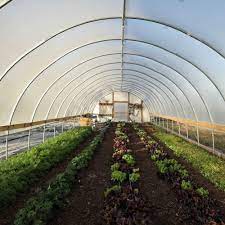
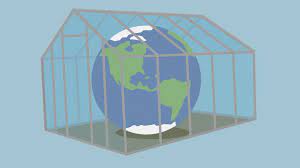
You probably know what a greenhouse is. Heat comes through the plastic/ glass roof and is trapped it, making the inside warmer than the outside air.

Now, think of our planet as a greenhouse. In most planets, the sun’s light goes through the atmosphere, reflects off the earth, and then get sent back into space. But on Earth, it’s different.

The sun’s light still does reflect off the earth, but some of the light is then trapped in the atmosphere by greenhouse gases( carbon, methane, water vapor, ect.), therefore warming the planet. This is known as the greenhouse effect.

Now, this process is positive as in it creates life as we know it. But, with increased carbon and methane levels in the atmosphere due to industrialization (carbon), cows (who produce methane), deforestation (releasing carbon), and other harmful environmental events, greenhouse gases are gathering at the atmosphere at an alarming rate.

With more greenhouse gases in the atmosphere, it is harder for the sun’s heat to be released back into space, therefore causing more of it to be trapped in the atmosphere, warming the planet. This is what many attribute to the biggest issue of climate change.

Global warming has many impacts including melting glaciers which leads to rising sea levels, crop failure, more severe weather patterns, and species loss.

So how can we help reduce warming temperatures? In another blog, I will cover the topic of albedo, of the sun’s reflectivity, but simply putting it, we need to reduce greenhouse gases.

Eat less red meat. Cows produce alarming rates of methane, so cutting down on eating cow meat can reduce methane.

Use less carbon emissions. In my last blog, I talked about how to reduce your carbon footprint, so go check that out for more info!

For more information, check out this link from Washington’s Department of Ecology. https://ecology.wa.gov/Air-Climate/Reducing-Greenhouse-Gas-Emissions/What-you-can-do

What can you do?

I have recently just returned from a Washington Environmental Youth Summit where I learned so much about climate change, what people are doing, and how anyone can help.

Having the opportunity to live in the United States, I heard words that really struck a chord. If you only care about yourself, you do not need to be worried. Now if you care about others, the people who are losing their homes through floods, droughts, intense weather conditions, and deforestation, you need to be worried.

Climate Change is real. It is happening everywhere. But unfortunately, developing countries are suffering the consequences the most. These are not the countries who are adding to the issue, but the countries who are suffering. Carbon fueling first world countries are releasing fossil fuels, warming the earth, melting the glaciers, and adding the most damage to climate change.

The other day, it felt like 118 where I live. This is not normal. I live in the middle of the United States. Summers are usually 80 to low 90 degrees. We also had a storm that knocked down trees and caused thousands of power outages. This is not normal. Yet people still say that there is nothing wrong.

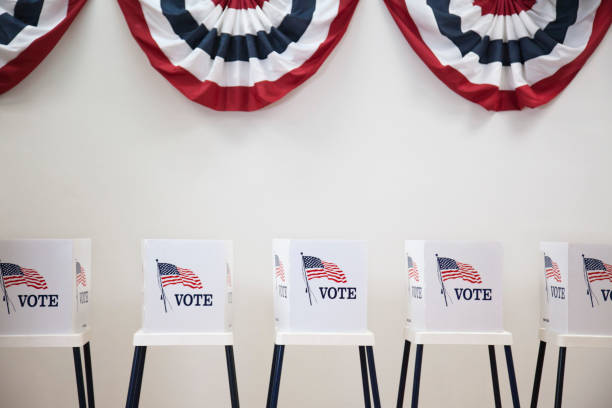
So what can you do? The most important thing is to vote. If we want a difference made, we need to have action taken by the government. Right now, enough action is not being taken. So do your research, and vote for people who will take action.

Secondly, there are websites where you can check your carbon footprint. In the places where you have the highest carbon footprint, make changes in those areas. If you are eating meat three times a day, maybe only eat meat once or twice a day. If you drive too much, try to take public transportation or bike places more often.

Finally, be an advocate. Encourage others to follow these steps and help them understand the dire situation we are in. Climate change is real, and it’s happening. It is time to make a difference.

https://www.nature.org/en-us/get-involved/how-to-help/carbon-footprint-calculator/

The Disaster of Turkey and Syria

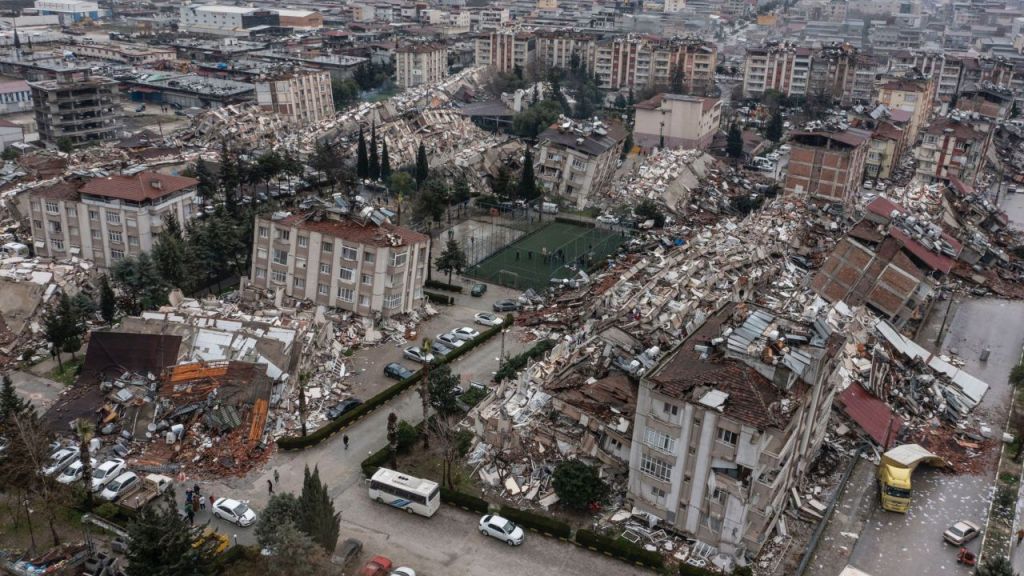
February 7th, 2022. Imagine you are at school, at work, or at home and suddenly, everything starts shaking. Buildings tear down, debris fly everywhere, and there is no escape.

This is what happened in the Middle Eastern countries of Turkey and Syria. There was a 7.8 magnitude earthquake that killed over 7900 people and injured over 40,000 more.

Source: Getty Images

Whats even worse is that there are freezing weather conditions, making rescues even more difficult. This is the strongest earthquake to hit this region in over a hundred of years, and it came out of nowhere.

According to the World Health Organization, over 23 million people can be affected by this.

With the growing increase of the severity of climate change, events like this will become more unpredictable and more severe. It is time to take action now.

How can you help? Donate to https://www.cnn.com/2023/02/06/world/iyw-how-to-help-turkey-syria-earthquake-victims/index.html

Source: https://www.cnn.com/middleeast/live-news/turkey-syria-earthquake-updates-2-7-23-intl/index.html

Burning Away the Amazon

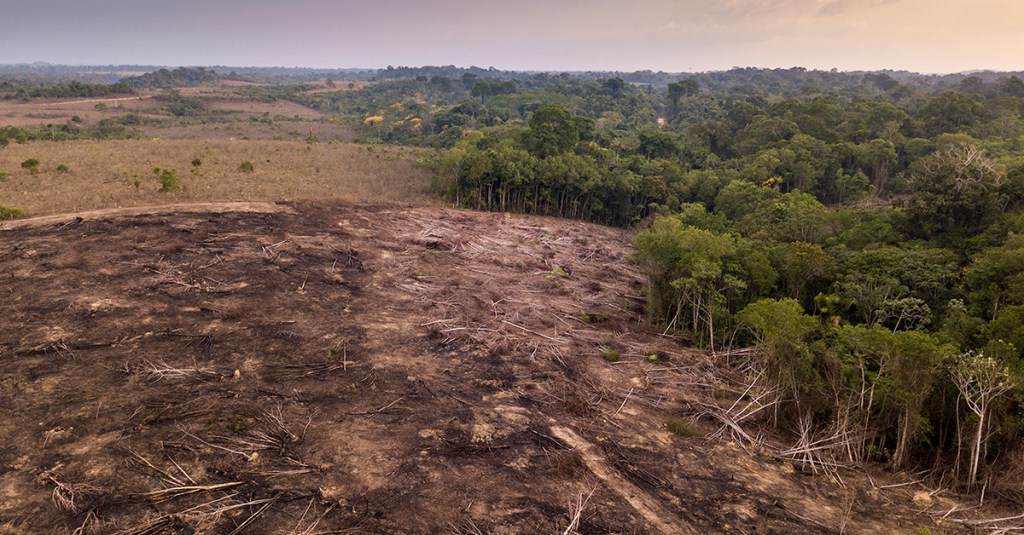
The Amazon Rainforest absorbs one-fourth of the CO2 absorbed by Earth. Today, the forest is 30% smaller than it was in the 1990s. Why? Deforestation.

Deforestation not only disturbs the CO2 absorption rates, which cools down the Earth’s temperature, but it also calls for habitat loss of a grand diversity of unique animals The Amazon contains 10% of all of the known species on earth. 23% of the Amazon also is made up of indigenous land.

source: CNBC

The Amazon Rainforest is literally burning down. It is not hitting the national news, and it is a problem. If this deforestation continues, humanity will be heading toward disaster.

Why is the Amazon being deforested? The rainforest is being cut down for agriculture and cattle ranching. Items such as palm oil, sugar cane, and coffee are being grown, and due to the soil not lasting due to the cattle, farmers have to continually cut down more of the rainforest. Mining and oil are also tearing away these forests, due to building roads and pipelines to reach the oil, and removing the forest to extract precious minerals.

Source: NC State College of Natural Resources

What can you do to help? Donate to websites that aim to protect the rainforest. Contact local government officials and ask them to help protect these forests. Educate your peers and family about speaking out. Reduce your use of fossil fuels and demand for renewable energy.

Take action now, for soon, it will be too late.

https://time.com/amazon-rainforest-disappearing/

https://www.worldwildlife.org/stories/3-ways-you-can-help-protect-the-amazon#:~:text=Reduce%20your%20use%20of%20fossil,you’re%20not%20using%20them.

Micro Plastics

There are between 15-50 trillion microplastics worldwide. Let that sink in. That is about 600 million times more plastics than the human population.

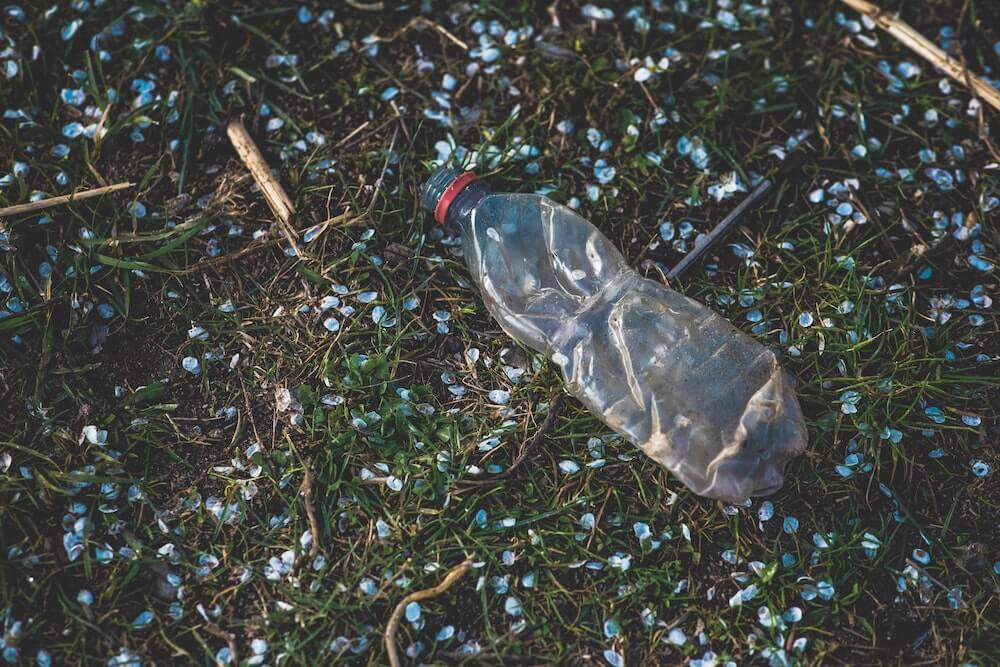
What are microplastics? Microplastics are fragments of plastic less than 5mm in length. They are found in the air, the water we drink, animals’ stomachs, and fish that we eat.

Humans might even ingest about 100 million microplastics a day, but it gets even worse. Nano-plastics, smaller than one micrometer, are worried to be able to enter cells and may even possibly disrupt cellular activity. But researchers cannot even see these, so it is worrying how we can even solve this.

The only fact that researchers do know, is that this problem will get much worse. Larger microplastics can raise exposure to chemical toxicity and interfere with hormonal systems.

Now how can we help? Check out this article and see ways that you can help.

https://www.perchenergy.com/blog/lifestyle/reduce-microplastic-pollution-consumption

Vote Now!

In the next week, your voice matters more than anything.

In the upcoming midterm election, the country’s fate is on the ballot. Time is running out to help fight climate change, and the time for action is now.

Research your politicians, who will fight for what matters? By being a
United States citizen, you have been granted a voice. You have a representation in the fate of our country’s hands.

It is time you use that voice, and know that your vote matters.

The Pakistan Floods

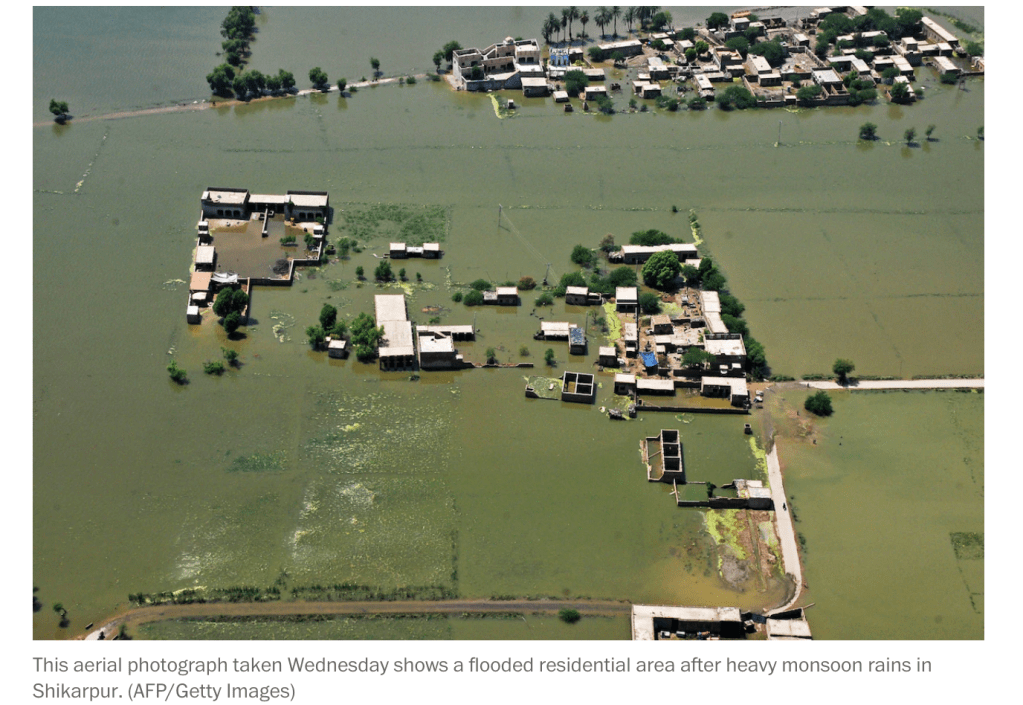
This year in Pakistan, monsoon rain is on a whole other level, an absolutely devastating level. The rain began in July, and since then, 1/3 of Pakistan is under water.

33 million people have been estimated to be impacted by these floods, and there have been nearly 1500 people killed, and the rain is still coming. According to the Washington Post, from June to August, Pakistan received 190 percent of its normal rainfall.

Researchers believe that climate change has played a large role in this years unusual monsoon season.

As the earth warms up, it is harder to predict storm forecasts, leading to less preparation. There can be intense floods as we are currently seeing, or even intense droughts in the future. There are currently more rainy days, increasing the monsoon season, explaining the devastating flooding.

The warmer sea temperatures cause more evaporation, leading to more moisture available in the air to rain.

The monsoon flooding is not the only problem. Due to the flooding, drinkable water is very scarce. Many families are forced to drink diseased water, now being affected by water-borne diseases.

Many bridges and roads are gone, causing less access to hospitals, schools, and vital resources.

What can you do to help? Donate to Unicef today. With the donated money, they are able to deliver supplies and emergency services to the millions impacted.

The Sixth Extinction

When you hear the word mass extinction, you probably think about the dinosaurs and the asteroid from 66 million years ago. You might be surprised to hear that that was the 5th extinction of this world and that there were 4 more before that. You might be even more surprised to know that there is another mass extinction happening right now, and it is humans at fault this time.

Since humans have been on this earth, we have altered life more than anything else, even though we are very new to this world. After the 1800s, also known as the industrial revolution, we have made an exponentially larger impact.

We have destroyed habitats, increased compunction with rising populations, and are warming the planet with increased amounts of CO2 in the air, that has nowhere to go. Our planet has the highest CO2 levels in 800,000 years.

Invasive species have latched onto human transport, taking them to places they do not belong, and dramatically altering ecosystems.

This image has an empty alt attribute; its file name is the-sixth-extinction-summary-1.png

According to PBS Digital Studies, amphibians have 45,000 times faster extinctions than normal currently, and non-amphibians have 1000 times faster extinctions than normal due to human impacts.

Every single species, small and large, is worth saving, and it is time we do something about it. It was we, the human population, who got into this mess, and we need to get out of this mess.

Droughts and Country Clubs

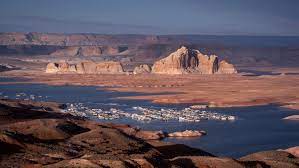
As many know, over the past few years, droughts have fueled the western U.S., causing a great lack of water. Lake Powell is an example of this, only currently filled to 26% of its capacity.

Source: AzCentral

Rivers and waterways all across the west are drying up, causing a lack of water in western cities. People are asked to conserve water and take shorter showers.

The only people seeming to get away with this are country clubs. Golf courses all around the west are getting away with keeping the courses green, using so much water. Per year, a golf course uses on average 152.5 acre-feet of water per year to irrigate an 18-hole course.

As the land is drying up, golf courses seem to not have any restrictions. Colorado rivers are at an all-time low.

Even though only few play the sport, golf courses are particularly an upper-class sport, usually played by men, making it difficult for them to just stop watering the courses.

source: Flickr

What can we do? The most noticeable option would be to shut down golf courses, and just keep a few of them going. Of course, most people are not the biggest fan of this.

Another idea is to compose new irrigation systems, reusing water and not wasting as much.

It is hard to believe that so much water is being used for the select few, while the majority are struggling.

source- https://www.deseret.com/2022/3/22/22988989/an-illogical-oasis-golf-course-water-usage-st-george-golf