The Sixth Extinction

When you hear the word mass extinction, you probably think about the dinosaurs and the asteroid from 66 million years ago. You might be surprised to hear that that was the 5th extinction of this world and that there were 4 more before that. You might be even more surprised to know that there is another mass extinction happening right now, and it is humans at fault this time.

Since humans have been on this earth, we have altered life more than anything else, even though we are very new to this world. After the 1800s, also known as the industrial revolution, we have made an exponentially larger impact.

We have destroyed habitats, increased compunction with rising populations, and are warming the planet with increased amounts of CO2 in the air, that has nowhere to go. Our planet has the highest CO2 levels in 800,000 years.

Invasive species have latched onto human transport, taking them to places they do not belong, and dramatically altering ecosystems.

This image has an empty alt attribute; its file name is the-sixth-extinction-summary-1.png

According to PBS Digital Studies, amphibians have 45,000 times faster extinctions than normal currently, and non-amphibians have 1000 times faster extinctions than normal due to human impacts.

Every single species, small and large, is worth saving, and it is time we do something about it. It was we, the human population, who got into this mess, and we need to get out of this mess.
Droughts and Country Clubs

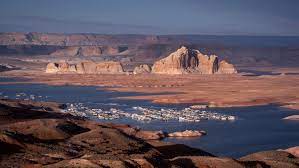
As many know, over the past few years, droughts have fueled the western U.S., causing a great lack of water. Lake Powell is an example of this, only currently filled to 26% of its capacity.

Source: AzCentral

Rivers and waterways all across the west are drying up, causing a lack of water in western cities. People are asked to conserve water and take shorter showers.

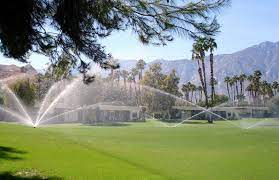
The only people seeming to get away with this are country clubs. Golf courses all around the west are getting away with keeping the courses green, using so much water. Per year, a golf course uses on average 152.5 acre-feet of water per year to irrigate an 18-hole course.

As the land is drying up, golf courses seem to not have any restrictions. Colorado rivers are at an all-time low.

Even though only few play the sport, golf courses are particularly an upper-class sport, usually played by men, making it difficult for them to just stop watering the courses.

source: Flickr

What can we do? The most noticeable option would be to shut down golf courses, and just keep a few of them going. Of course, most people are not the biggest fan of this.

Another idea is to compose new irrigation systems, reusing water and not wasting as much.

It is hard to believe that so much water is being used for the select few, while the majority are struggling.

source- https://www.deseret.com/2022/3/22/22988989/an-illogical-oasis-golf-course-water-usage-st-george-golf

Environmental Racism

Environmental Racism is all over the world and not talked about at all. What is Environmental Racism? “Racial discrimination in environmental policy-making, enforcement of regulations and laws, and targeting of communities of color for toxic waste disposal and siting of polluting industries,” according to Reverend Benjamin E.

Environmental Racism can be industrial, agricultural, vehicular, residential, and many more.

How does environmental racism affect the world? Here are some examples.

HARLEM STATE OFFICE BUILDING, NEW YORK, NY, UNITED STATES – 2016/02/21: NYC Solidarity Rally for Flint – A coalition of NYC Black Lives Matter activists and environmental justice groups marching on the 51st anniversary of the assassination of Malcolm X to demand justice for the people of Flint, Michigan. (Photo by Erik McGregor/LightRocket via Getty Images)

The Flint Michigan water crisis- Lead poisoned Michigan’s water in areas with lots of poverty.

Black and Latino communities are more vulnerable to industrial zones, landfills, and pollution, which impacts those community’s health.

Cancer Alley- A predominantly black community in Louisiana where residents are 50 times more likely to develop cancer due to being lined with oil and refinery plants.

Los Angeles, California- Studies have shown that low-income, black, and Latino people live closer to toxic pollution.

There are thousands and thousands of other examples of this. Environmental Racism is a fundamental issue that no one is talking about. We need to take action now.

Source- https://www.insider.com/environmental-racism-examples-united-states-2020-8#los-angeles-california-8

Overshoot Day

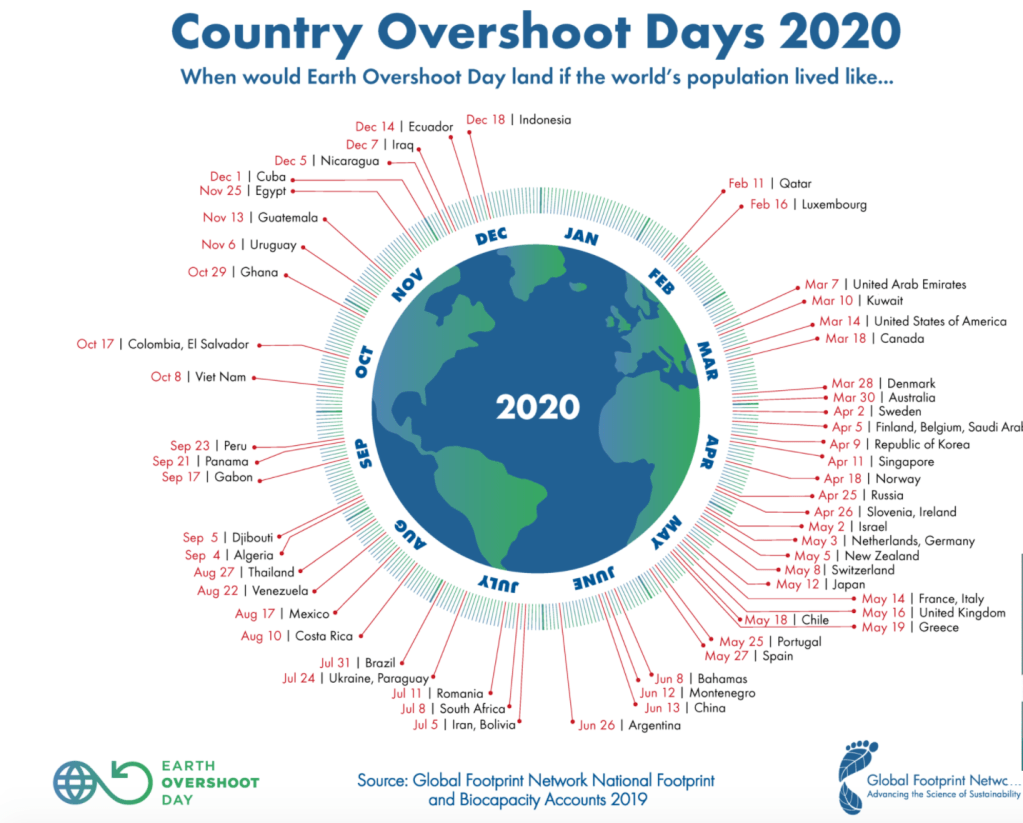
On July 28, 2022, we reached overshoot day.

From now until the end of the year, we will be running a deficit on earth’s resources.

What exactly does that mean though? This means that we have used earth’s resources for almost half a year before Earth has time to restore them again.

The equation used to determine this is- (Earth’s Biocapacity Humanity’s Ecological Footprint) x 365 = Earth Overshoot Day

This is not good, and if we do not take action, things will go pretty downhill. So what can we do?

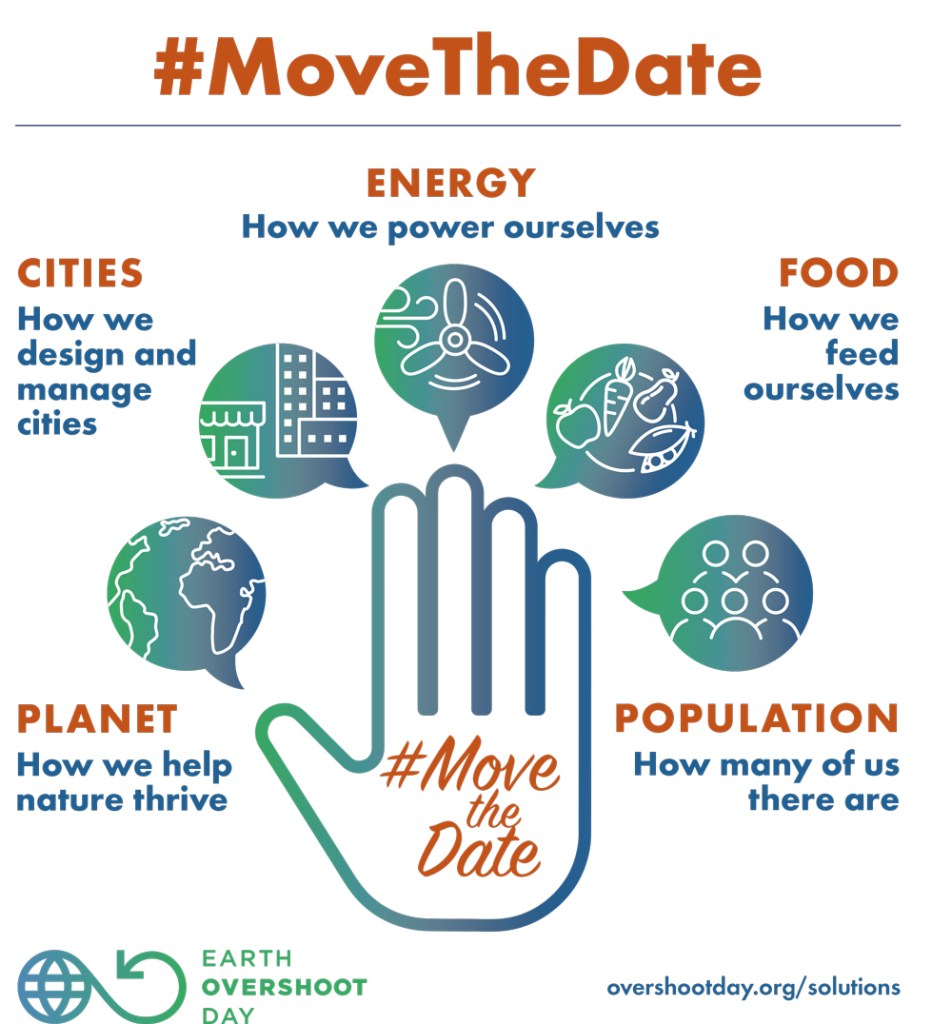
The action you can take alone includes reducing the population by having fewer babies, intake less meat, be home efficient, eat locally and lessen food waste, recycle and reuse, and reduce our travel.

If you want to take action, join the #MovetheDate campaign, vote, donate, speak up to your local leaders, or volunteer for a local conservation group.

If we do not make changes now, we are affecting generations to come and borrowing their resources.

All of these solutions will move back the overshoot day later and later, and give Earth more time to regenerate its resources.

Sources- https://www.overshootday.org/solutions/, https://populationmatters.org/news/2022/07/earth-overshoot-day-what-can-we-all-do, https://theeverydayenvironmentalist.com/what-is-earth-overshoot-day-and-how-can-we-help/

Pesticides and Agriculture

To many people’s surprise, one of the main problems of the environmental crisis is agriculture.

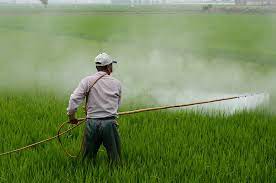
To keep bugs and insects off of their crops, farmers spray many chemicals such as pesticides onto the crops. This is terrible for the environment as if it leaks into watersheds, creeks, rivers, and other bodies of water, these bodies of water become polluted and kill off a whole ecosystem of fish and other water insects and animals.

A farmer spraying pesticides on his crops.

With agriculture, also comes deforestation. A couple of weeks ago, I was at a creek and was pointed out to the fact of some deforestation on a hill by the creek. A large patch of trees had been taken down and now, the soil was going to run into the creek and damage the creek’s environment. This would bury many animals and unwater feeders.

It was also noticed that pesticides were sprayed right on the creek to kill off weeds under a powerline. They had even got in the creek. Many species of fish would move away from this area and away from the toxic pesticides now.

What can I do?- You can urge farmers to leave space between their crops and rivers. Also, urge them to use more safe pesticides. Think about building a rain garden by the body of water as well- see https://www.gardeners.com/how-to/rain-garden/5712.html?SC=GGLNON&gclid=CjwKCAjwrNmWBhA4EiwAHbjEQNIAcqlKP8tUNldg9AU4i4bBMa0oEbccC-3FOUatro9Q4eVOUJ3OXxoCuYkQAvD_BwE

Watersheds

What is a watershed?

A watershed is a stream or river that flows from rainwater coming down from two hills. It is the crease of two downward hills that flows to a river or an ocean.

Source: http://www.portal.state.pa.us/portal/server.pt?open=514&objID=588795&mode=2

Watersheds are very important and need to be healthy. The problem is, that not just rainwater is getting into watersheds. Sewage is leaking into watersheds, and from impermeable surfaces like sidewalks, streets, roofs, and parking lots, bacteria, car oil, and chemicals are leaking into the watersheds and polluting them.

This causes rivers and lakes and even oceans to become polluted as well. With soil eroding, it is harder for the water to be purified and the water stays polluted.

What can you do?

What we need is something called a rain garden. A rain garden is composed of soil and plants, flowers, and shrubs common in your area. The water will be absorbed by the garden and be able to not flow into the watersheds. This will help the garden and the water to be purified.

To see more about rain gardens, visit- https://www.gardeners.com/how-to/rain-garden/5712.html?SC=GGLNON&gclid=CjwKCAjwrNmWBhA4EiwAHbjEQNIAcqlKP8tUNldg9AU4i4bBMa0oEbccC-3FOUatro9Q4eVOUJ3OXxoCuYkQAvD_BwE

The Heat Waves

All across America and the rest of the planet, record-setting heatwaves are affecting everyone.

A map of heatwaves all across the planet.

These heat waves are dangerously hot as they reach the triple digits. The humidity levels are also increasing which leads it to feel much hotter.

Heat waves are common every summer, but why are they getting much more intense?

Human-caused climate change is making these heat waves much more severe and prolonged and putting much more danger in people’s lives during the summer months.

Developing Countries and Globalization

Why do we always see trash in developing countries? Why are they covered in smoke unlike the United States or Europe?

A big part of globalization is the spread of carbon dioxide due to all of the trade and travel.

This is speeding up climate change and the climate crisis.

It created pollution and fewer trees which are being chopped down for demand.

Pollution in an undeveloped area.

Developing countries are still in their industrialization age(like what the west was in during the 1800s.) They are trying to keep up with other countries.

During these times, Britain for example was covered in smoke due to industrialization and factories.

On the bright side, Britain does not look like what it looked like during the industrial era present day.

There were many reforms to improve the smoke and clouded water.

Hopefully, developing countries will also create reforms after their industrial era. If not, we may be in danger.

Sea Life

Plastic. Let’s talk about it.

Us humans use so much plastic in a day it’s crazy. Think about how much plastic you use a day and then multiply that by about 8 billion.

That’s a lot of plastic.

A lot of that plastic gets tossed into our oceans.

This greatly affects sea life and coral reefs.

Plastic can get attached to sea life and make it hard for them to swim. It can also damage coral reefs.

Let’s find other things besides plastic to use.

Deforesting Away Habitats

One of the main environmental factors that are a cause of global warming is deforestation.

Why do people deforest? People deforest for money.

With the need for trees rising up, people who do not understand how much trees affect the environment tear down so many trees and tend to not replant.

Trees take in the carbon dioxide in the air and replace it with oxygen.

Without as many trees, there is more carbon dioxide in the air and less oxygen in the air.

Humans need oxygen to breathe and carbon dioxide causes pollution. This is why there are increased levels of pollution in the air, especially in major cities like Hong Kong and New Delhi.